
a nutritionist’s guide
to a health[ier] bowl
Ramen is a favourite for busy midweek meals, whether it's a quick lunch or an easy dinner. The good news is that it's also incredibly adaptable. With a few simple additions, your bowl can offer far more than convenience, making it a great base for nutritious & quick meals.
Working alongside our resident nutritionist, Dr Emma [MBChB MSc ANutr], we've been exploring fresh ingredient pairings & toppings to help bring more balance to your meal, while still keeping it healthy & full of flavour.
So, is ramen good for gut health? And what are some top tips for a quick, health[ier] instant ramen? We put both questions to Dr Emma.
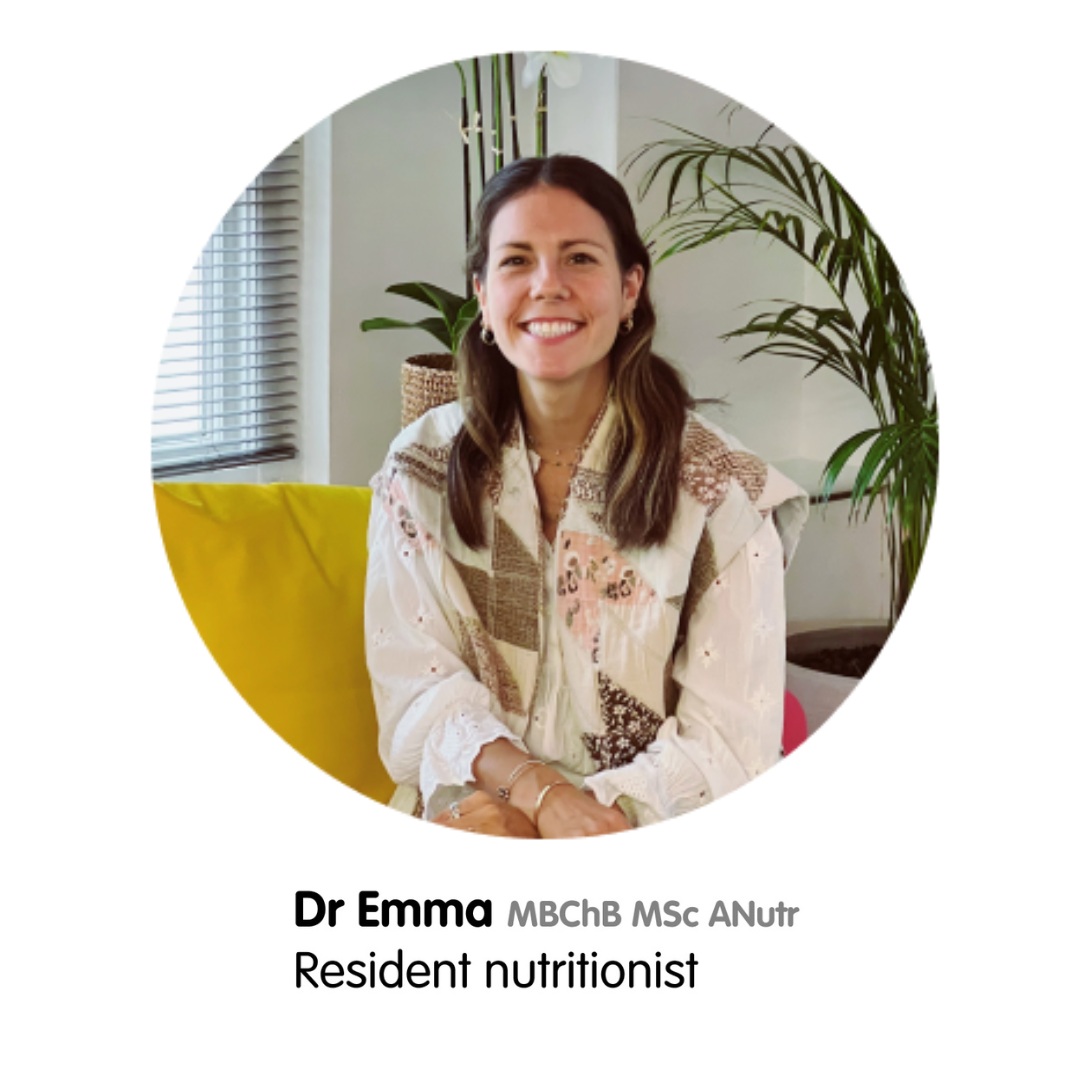
can ramen be adapted to support gut health?
“A ramen dish can absolutely be curated to support gut health. The broth forms a brilliant base, but really it’s what you add on top that makes it a gut healthy meal.
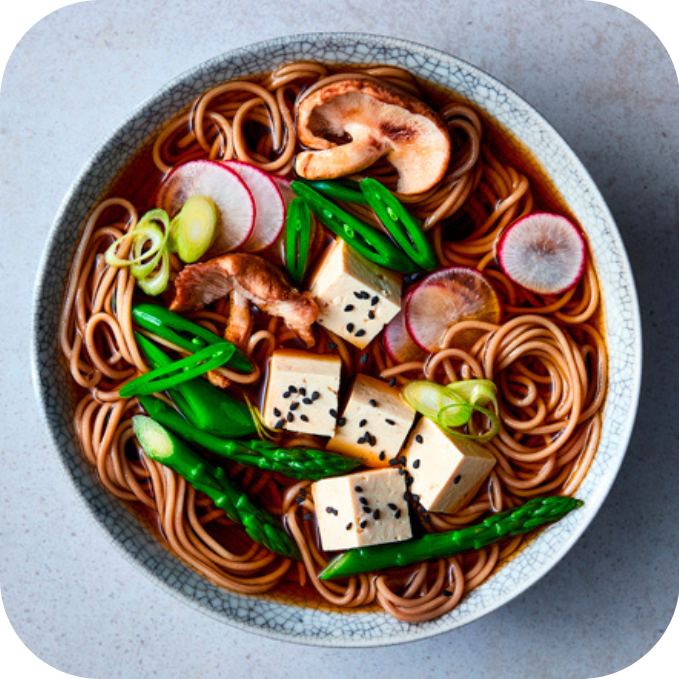
A typical ramen includes broth, noodles, and vegetable toppings such as spring onions, seaweed, bok choy, mushrooms, spinach and a source of protein like tofu, chicken or pork. When you include plenty of plant-based toppings, ramen can become a colourful, gut-supportive choice.
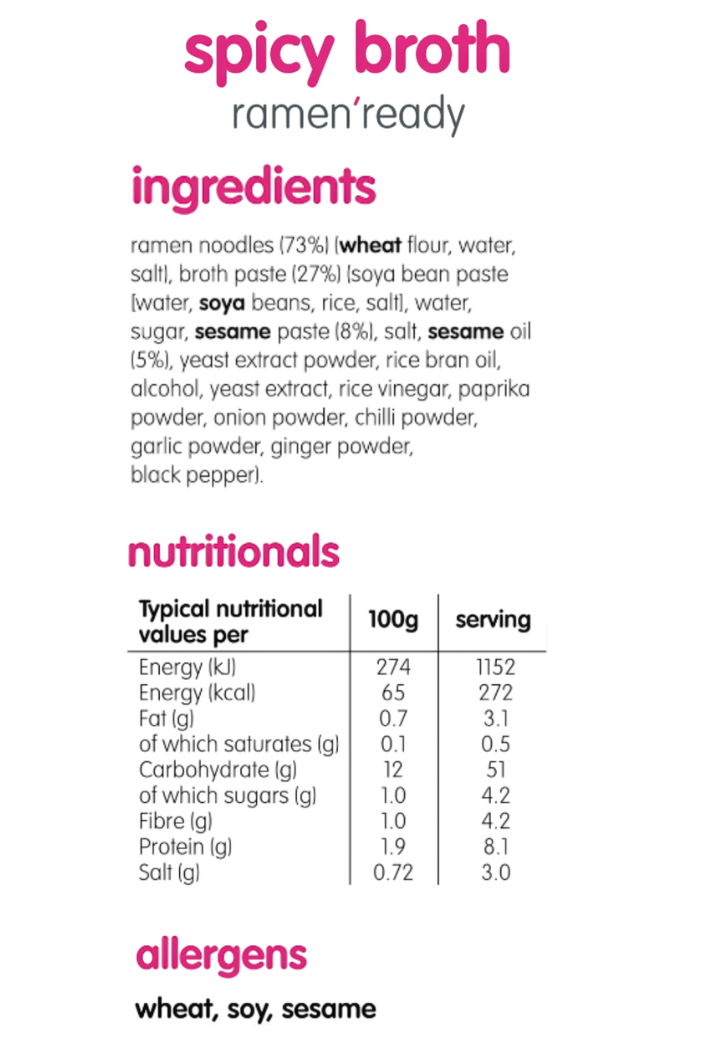
Ingredients that support gut health tend to be:
● High in fibre
● Rich in polyphenols (plant compounds)
● Fermented foods
Fibre is especially important. In the UK, most adults do not reach the recommended 30g of fibre per day, so meals that include fibre-rich vegetables, whole grains and plant foods can help close that gap. When we eat fibre it isn’t digested in the small intestine, but instead passes through into the colon where it is fermented by our gut bacteria.
This process produces short-chain fatty acids (SCFAs), including butyrate, which help support the gut lining and play a role in maintaining a healthy gut barrier. Fibre also supports regular bowel movements, another key part of digestive health.
Polyphenols found in plant foods such as spring onions, seaweed, leafy greens and spinach also interact with the gut microbiome. Like fibre, they can help nourish beneficial bacteria and contribute to a balanced gut environment. Fermented ingredients, such as miso or kimchi, may also contribute beneficial microbes and fermentation compounds, adding another layer of diversity to the dish.
So while ramen itself isn’t automatically a ‘gut health food’, choosing fibre-rich vegetables, noodles and fermented toppings can make it part of a gut-supportive diet.”
Dr Emma, what are your top tips for a quick, health[ier] instant ramen?
“Think about building your bowl, rather than just eating noodles and broth. First, add vegetables. Frozen vegetables are a brilliant option. They are quick, affordable and freezing helps lock in nutrients, they’re still rich in vitamins and minerals.
I also always ask myself: what can I add on top? A sprinkle of seeds or nuts, some seaweed, chopped herbs, or even a small bowl of kimchi on the side can add flavour, texture and beneficial nutrients.
Finally, to boost flavour naturally, I like to grate some fresh ginger and garlic into the broth. It’s a simple way to add depth of flavour and extra plant points.”
Explore our range of itsu ramen here.