Plant-based eating is becoming increasingly popular across the UK, with more people looking for healthier and more sustainable ways to eat. Whether you are cutting back on meat, exploring vegetarian meals, or considering a fully vegan lifestyle, a plant-based diet can offer a flexible and balanced approach to everyday eating.
This guide explains what a plant-based diet is, the potential health and environmental benefits, important nutrients to consider, and simple meal ideas to help beginners get started.
what is a plant-based diet?
A plant-based diet contains mostly ingredients derived from plants, such as grains, vegetables, legumes, nuts, seeds, and fruits. It can include smaller proportions of meat, dairy, and poultry. A plant-based diet doesn’t necessarily mean a vegan diet; it encompasses flexitarian, pescatarian, vegetarian and vegan diets. It is also called a ‘plant-forward’ diet. Eating a wide variety of plant foods is the key to a wholesome plant-based diet. You don’t have to cut out animal products completely. Instead, you are choosing a greater proportion of your foods from plant sources.
vegan diet
Vegan diets contain no animal products such as meat, fish, poultry, dairy, bee honey, gelatine, pasta, or condiments like mayonnaise. A vegan diet can be plant-based, but a plant-based diet doesn’t always have to be vegan. Veganism isn’t limited to the diet; it is a way of life. It excludes animal products and commoditising animals from everything, from beauty products, to clothes, to household items, to leisure activities.
vegetarian diet
A vegetarian diet, sometimes referred to as ‘lacto-ovo’ vegetarian, excludes meat, fish, and seafood but includes eggs and dairy.
pescatarian diet
A pescatarian diet includes eggs, dairy, fish, and seafood but no meat.
flexitarian diet
A flexitarian diet is mainly vegetarian with occasional meat, poultry, fish, and seafood.
processed vs whole plant foods
While chips, skittles, Coke, and deep-fried tofu are plant-based foods, they are not necessarily healthy as they are high in oil and sugar content. Eating minimally processed, nutritious, and gently-prepared foods that have smaller amounts of oil, sugar, and fat is the best way to approach a plant-based diet.
is a plant-based diet healthy?
Plant-based diets have strong scientific backing due to their proven health benefits. According to the British Nutrition Foundation, plant-based diets reduce cholesterol, blood pressure, and the risk of heart disease and Type 2 diabetes. Plant foods are packed with vitamins and minerals and provide us with essential nutrients for the body. They are nutrient-dense and can help weight loss without compromising the quality of the diet. Epidemiologic studies indicate that plant-based diets are associated with a lower BMI and a lower prevalence of obesity in adults and children. Animal proteins contain higher levels of saturated fats. Plant protein, on the other hand, contains more unsaturated fats, which are beneficial to our health.
gut health and immunity
Plant-based nutrition also provides immunity and gut health benefits. Eating a wide variety of plant foods helps good bacteria to thrive in your gut. Our gut plays a crucial role in our immunity. Most of the body’s immune cells are in the lining of the intestine, and a healthy microbiome in the gut promotes stronger immunity. Tim Spector, Professor of Genetic Epidemiology, recommends 30 different plants a week in your diet, including nuts, seeds, pulses, whole grains, fruits, and vegetables.
fibre and digestive health
Fibre is a key nutrient in developing healthy gut bacteria that promotes immunity. Plant-based diets are much higher in fibre. When gut bacteria feed on fibre, it creates short-chain fatty acids, which have been shown to build immunity against pathogens. The recommended fibre intake per day for an adult is 30g, but British adults eat only an average of 18g. Swapping out white rice with whole grain brown rice and eating more broccoli, beans, greens, & fruits can increase fibre in the diet.
the rainbow diet
The rainbow diet also promotes beneficial microbes in the gut. Phytochemicals determine the colour of a plant and are believed to increase certain types of beneficial gut bacteria associated with immune system boosting. The wider the variety of coloured plant foods you eat, the wider the variety of phytochemicals you consume. Red, orange, yellow, and green plants contain carotenoids, which have been linked to boosting immunity.
how does a plant-based diet benefit the environment?
UN estimates livestock accounts for 14.5% of the world’s greenhouse gas emissions. Beef and lamb have the biggest climate footprint per gram of protein. Beef produces the most greenhouse gas emissions, which include methane. The average greenhouse gas impact of 50 grams of protein from beef is 17.7Kg of CO2. The next highest environmental footprint, lamb, is 50% less than beef. Poultry represents 2.9Kg of CO2. Tofu produces only 1Kg of CO2 per 50g and beans 0.4Kg.
the future of sustainable eating
As the global human population steadily climbs, projecting 10 billion by 2050, scientists are looking for feasible diet plans. In the absence of dietary changes, technological changes, and mitigation measures to keep our food system in check, it could reach levels beyond planetary boundaries that can no longer sustain humanity.
A 2019 report in the British medical journal The Lancet outlines that to feed a growing population without adding to global warming or putting increased pressure on the world’s forests, the heaviest meat eaters need to cut back. Climate scientists are recommending a scaled-back meat consumption of 50% to keep the food system within environmental limits. The report advocates for a mostly plant-based diet, with small and occasional allowances for meat, dairy, and sugar.
plant-based eating and climate impact
Plant-based eating has the smallest impact on the environment. The environmental impact of growing crops purely for human consumption is far lower than growing crops for animal consumption and then turning those animals into food for humans. Beef production has been identified as the leading cause of deforestation in tropical rainforests such as the Amazon. The world’s fisheries are also at their maximum sustainable level or being overexploited. 34.2% of fisheries are overfished. Farmed salmon has one of the lowest climate impacts. Places like Norway have tight environmental regulations, and farmed fish from those places can have a relatively low impact.
animal welfare considerations
Reducing meat in your diet will also lead to preventing animal cruelty. 99% of animals are raised in factory farms with zero welfare. Reduced meat consumption leads to fewer overcrowded cages. You can go further by choosing retailers and restaurants that serve only ethically sourced meat from non-industrial farms with high welfare standards. Eating more plants is a much healthier choice for the planet than eating more meat.
is a plant-based diet suitable for the whole family?
Well-balanced plant-based meal plans are suitable for individuals of all ages. According to the American Dietetic Association, “appropriately planned vegetarian, including vegan, diets are healthful, nutritionally adequate…and appropriate for all stages of the life cycle, including pregnancy, lactation, infancy, childhood, adolescence, older adulthood, and for athletes.”
what do you need to consider when switching to a plant-based diet?
Protein, fat, and carbohydrates are macronutrients essential for all diets. It is important to maintain that animal proteins are adequately replaced by plant-based proteins to ensure no one misses out on nutrition. Soybeans and soy-based foods are good sources of protein, known to lower levels of low-density lipoprotein in the blood and reduce the risk of hip fractures and some cancers. Proteins are made up of amino acids, some of which are called essential amino acids. These are found in meat, dairy products, eggs, seeds, legumes, and grains. Most seaweed varieties have as much protein and as many amino acids per gram as beef. Ensure you are eating whole foods instead of refined foods, and you will not go protein deficient on a plant-based diet.
Essential amino acids
Certain combinations of plant-based foods, such as brown rice with beans, and hummus with wholemeal bread, provide well-balanced plant-based diets and adequate amounts of essential amino acids. These foods also prevent protein deficiency.
omega-3 fatty acids
We also need essential fatty acids, which perform vital functions in the body. Omega-3 fatty acids are primarily found in fish and seafood, salmon being one of the best sources. Plant-based sources of omega-3 fats include flaxseeds, flaxseed oil, canola oil, chia seeds, soybean, soy beverages, and leafy vegetables. Polyunsaturated fatty acids (n-3 fats) are also associated with a reduced risk of heart disease and stroke.
vitamin B12, calcium, and Vitamin D
Vitamin B12 is another micronutrient found in meats, eggs, and dairy products. However, soy, certain types of seaweed, and fortified foods, such as breakfast cereals, are enriched with B12, as well. Seafood is a good source of iodine, and so is seaweed. Cow’s milk is a top source of calcium but switching it out with tofu and leafy greens will provide calcium in the diet. Seaweed is also high in iron and calcium. Soy milk and cereal grains are good sources of Vitamin D.
iron-rich plant foods
Iron in plants has a lower bioavailability than iron in meat. However, plant-based foods, such as soybeans, kidney beans, black beans, spinach, raisins, cashews, oatmeal, cabbage, and tomato juice are rich in iron.
plant-based diet tips for beginners
Start slowly
Do not go cold turkey on meat. Start the transition slowly. Meatless Mondays are a good start. Instead of new recipes, pick your favourite plant-based foods and rotate them through the week. Rice bowls, miso soup, jacket potato, vegetable dumplings, and bean stew will have you eating more plants without leaving you hungry.
cut down on processed and red meat
Cut down on meat by first eliminating red and processed meat. Eat grilled chicken breast instead and increase the portion of salad and fruit bowl you would normally have. If you are a flexitarian, decide which meal or days of the week you will have meat or fish. Replace steak, ribs, sausages, and bacon with salmon and chicken dishes.
make breakfast plant-based
Make breakfast plant-based with vegetarian foods like oats, granola, fruit, breakfast muffins, pancakes, waffles, toast, and smoothies. Commit to at least one meal a day that is fully plant-based.
get family and friends involved
Get your family and friends on board with plant-based eating. It is easier when shared meals are plant-based, too, instead of having to prepare ones for yourself. Let them enjoy the benefits of plant nutrition and the rainbow colours.
know your substitutes
Know your substitutes. When replacing animal products with plant foods, the new food should be able to offer the same nutrition or even better nutrients. Protein, iron, Vitamin B12, Vitamin D, calcium, and fatty acids are nutrients animal products are rich in and are essential to a healthy body. The daily adequate intake of protein is about one gram per kilogram of our body weight. Sometimes, people overconsume it by doubling or even tripling the protein amount when switching to a plant-based diet. There’s no need to do this. All we need is to meet our requirements of the nine essential amino acids our body cannot synthesise on its own.
eating out on a plant-based diet
While we can devote an entire fridge at home for plant-based eating, it gets trickier when we are eating out or ordering in. The fact that most restaurants do not offer vegan & vegetarian options can be discouraging. There are plant-forward restaurants that offer dishes perfectly curated for your plant-based diet. Keep an eye out for these online and in your area so you can order right away without having to give in to the usual meal habits.
plant-based meal ideas for beginners
breakfast ideas
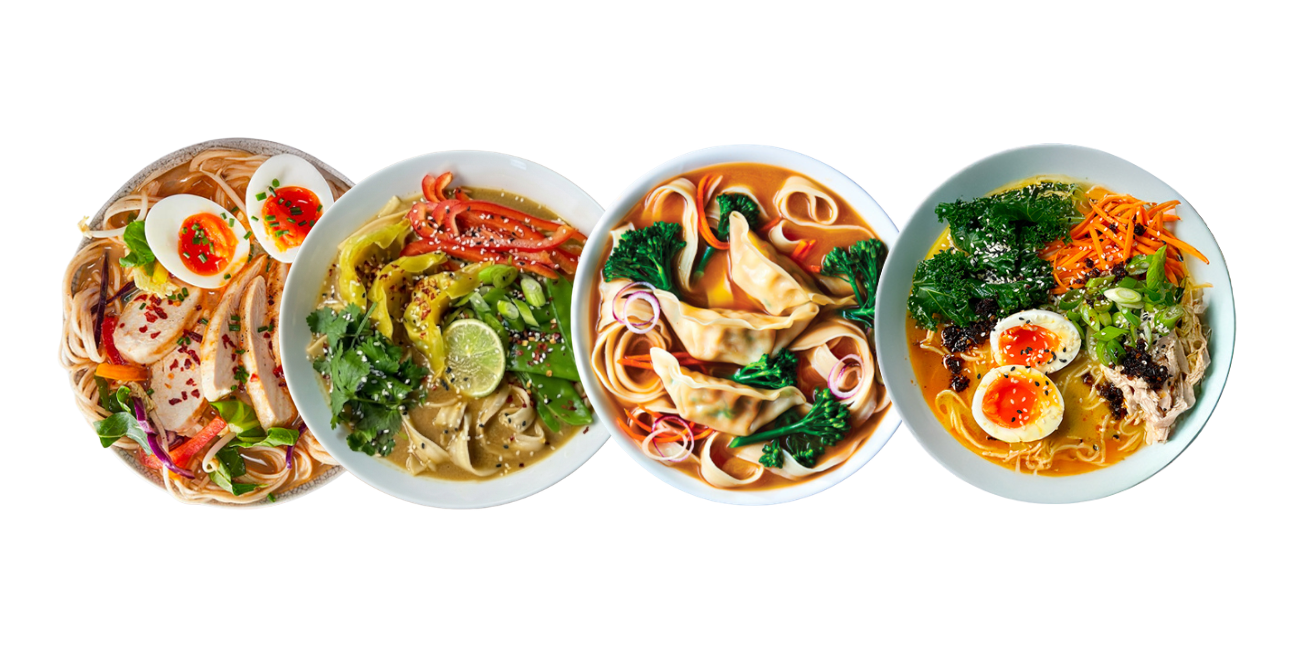
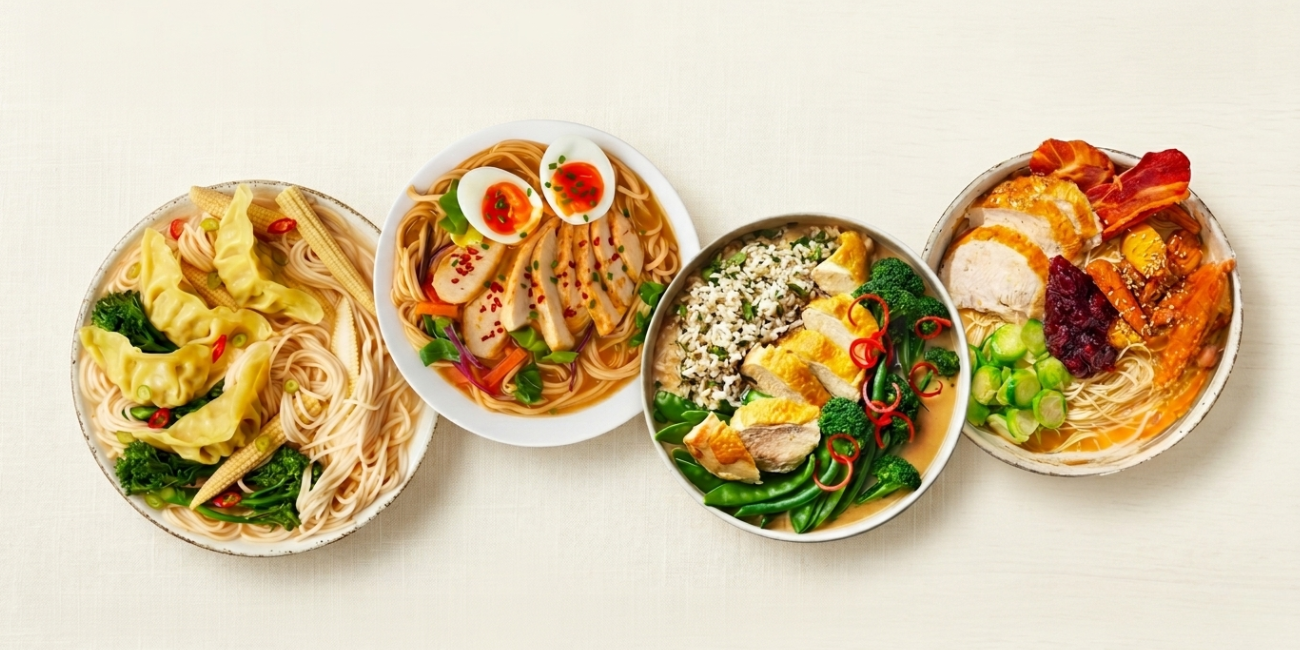
Breakfast – There’s more to it than avocado on toast. Rice bowls with leftover vegetables, chickpea omelette, coconut pancakes, polenta with fruit, toasted rice cake with walnut honey, steamed vegetable gyoza, and if you have any miso lying about, a miso soup. Did you know that the Japanese eat miso soup for any meal of the day, be it breakfast, lunch, or dinner?
lunch ideas
Lunch – If your workmates are going out for sushi, there’s no need to feel left out. Veggie sushi is just as delicious. Make sure you are having enough calories (good ones) with a whole grain brown rice bowl with veggie meat, or a bowl of steamed udon with coconut sauce. Think rainbow salad with smoked tofu drizzled with teriyaki. Stir-fry style noodles with katsu curry, baked potato with hummus, pasta with cashew pesto, sweet potato curry with chickpea, bean chilli, stuffed squash, chickpea burger, and gyoza noodle pots are all hearty plant-based meals.

dinner ideas
Dinner – Veggie soups with your choice of noodles or vegetable dumplings, coconut soup with vegan meatballs, veggie wraps, summer rolls, black bean burgers, stir-fry style noodles with Ssamjang & Gochujang sauce, hummus with raw veggies, green pasta salad, baked chickpea & cauliflower. And did we mention that miso soup is good for any meal of the day? Add some tofu, glass noodles, wakame, gyoza, or all.
school and work lunch ideas
School/work lunch – Veggie burgers, veggie dogs, vegan meatballs & pasta/noodles, avocado sandwiches, quinoa salad, tabbouleh, vegan banh mi, and meze bento with cut up fruits and vegetables, dipping sauce, rice with soybeans & greens are just a few suggestions.
plant-based snacks
Snacks – Crisps are vegan but are not ideal for a clean bill of health. Instead, get the crunch going on some crispy seaweed thins. They are packed with nutrients and high in vitamin B12 & iodine. No-MSG prawn crackers, chocolate-coated edamame, wasabi peas, rice cakes, mixed nuts, prunes, dried fruit, and olives make excellent plant-based snacks.
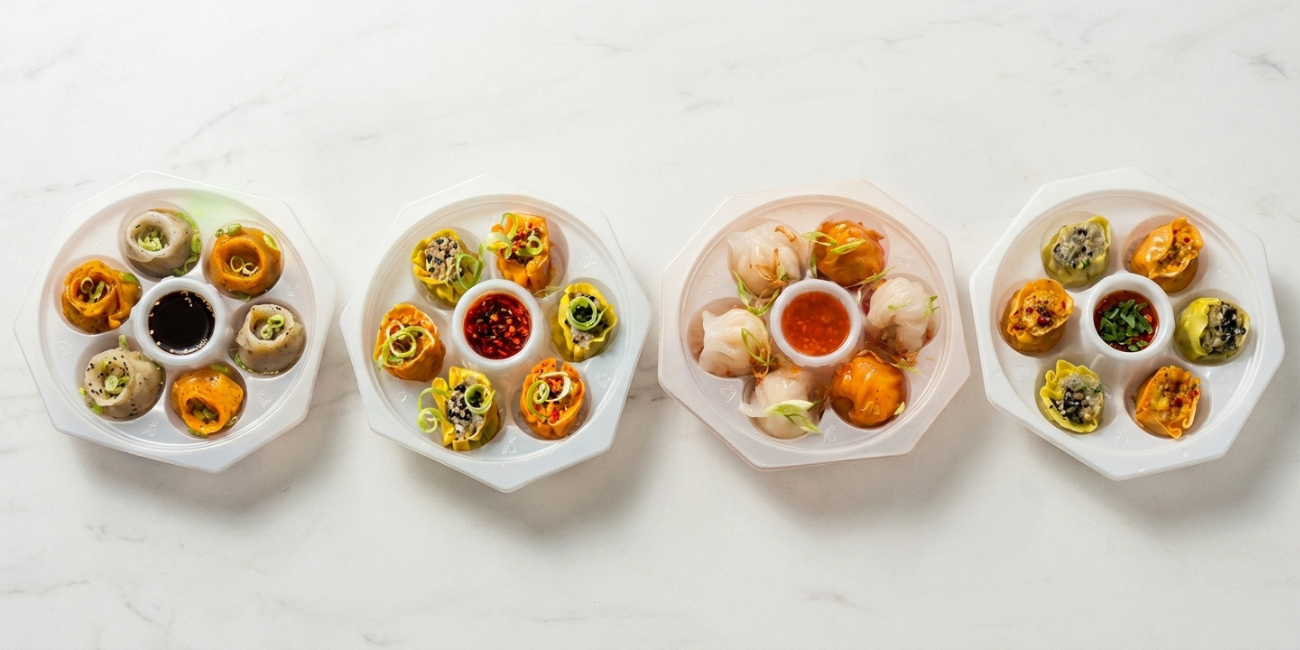
The world of plant-based foods is full of natural goodness that doesn’t take too much from the earth. They are the future of food and the ones that provide essential nutrients safely without causing health risks. Our food choices have an incredible impact on our day-to-day well-being and the survival of our planet. If you are new to plant-based eating, welcome aboard! And if you are still not sure what to make of it, first try itsu vegetable fusion gyoza for morsels of edible inspiration.