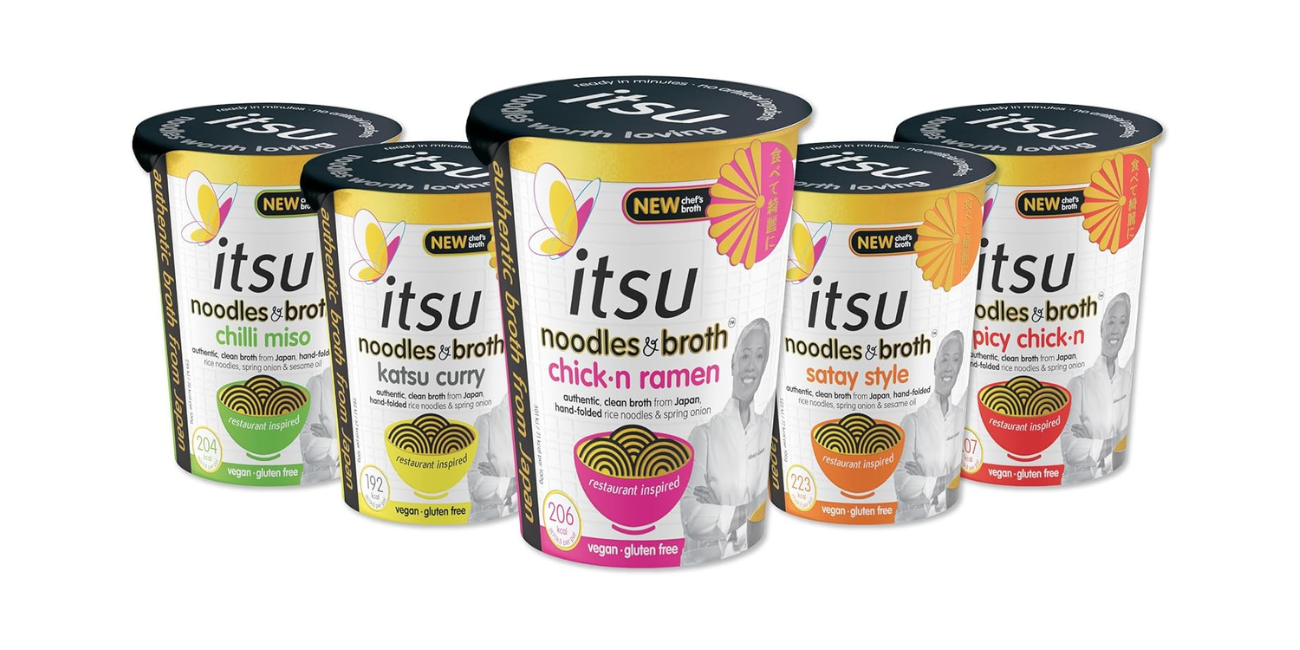
At itsu, our health[ier] mission is at the heart of every meal we craft.
Like us, our resident nutritionist Dr Emma (MBChB MSc (Hons) ANutr), is passionate about health[ier] eating and the impact diet has on body & mind.
our resident nutritionist
In a busy world, we all need nutritious meals that keep us fuelled. That’s exactly what our noodle pots deliver - quick, convenient meals that never compromise on health or nutrition.
Instant noodles are often dismissed as unhealthy, but itsu’s noodle pots prove otherwise. So, how do our noodle pots differ from others on the market? We asked Dr Emma, itsu’s in-house nutrition and health expert. She works closely with our grocery and restaurant teams and is deeply passionate about healthier eating, exploring how diet affects both body and mind, down to the ingredients we choose.
Here, Dr Emma answers some of your questions, shares her favourite flavours, and offers a go-to tip for topping your pot.
What makes one instant noodle pot nutritionally different from another?
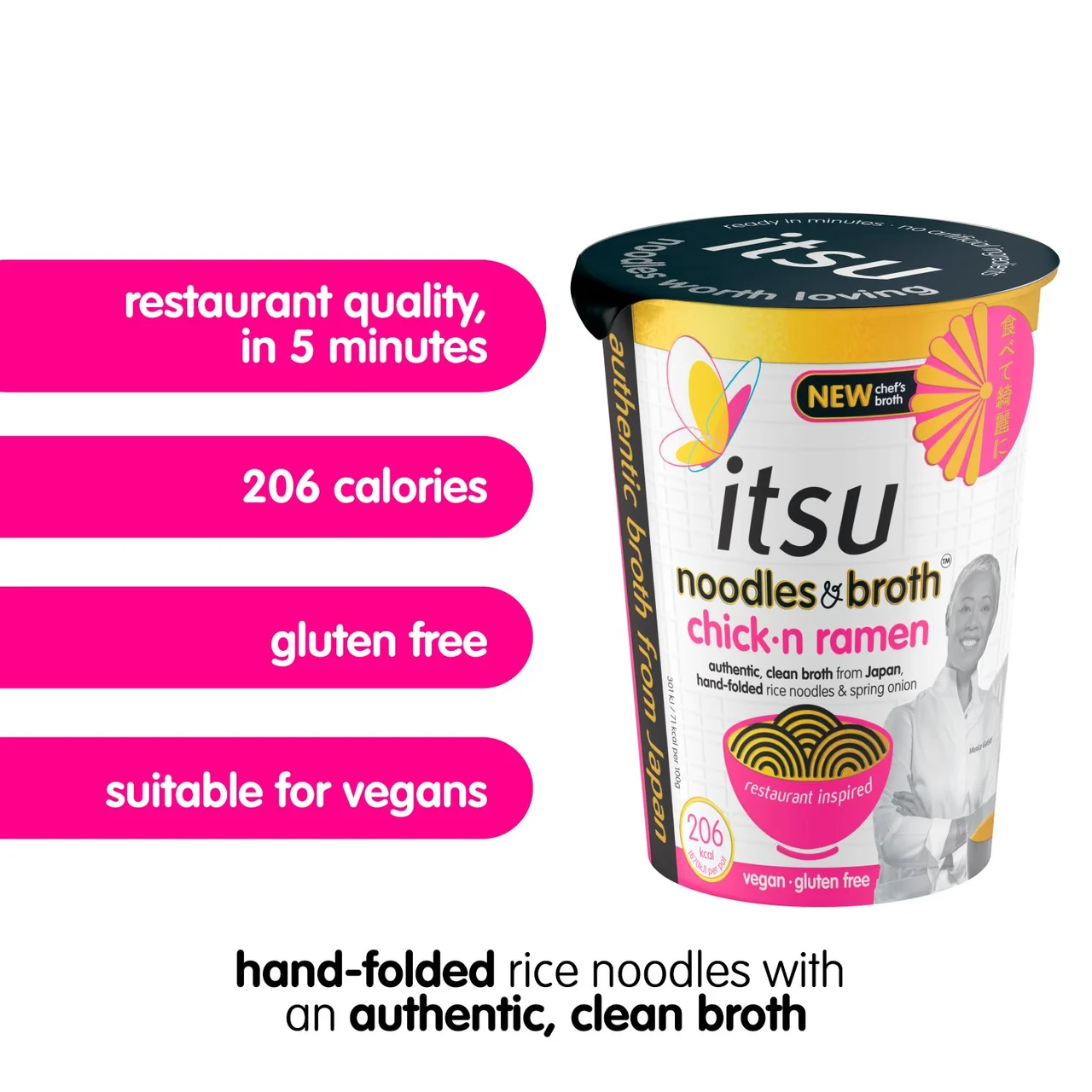
“Instant noodle pots can differ in the amounts of salt, fat, sugar, protein, and fibre they contain, which is all shown on the nutrition label. Looking at the ingredients list can also be useful to understand what has been added to the noodle pot. The type of noodles used, for example rice, wheat, buckwheat can also affect nutrient content. Some pots may contain vegetables and spices, while others may contain flavourings or preservatives.
Comparing the nutrition information on the pack can help you understand these differences and make choices based on your own preferences or needs.”
Dr Emma, what is your favourite flavour and why do you recommend it?
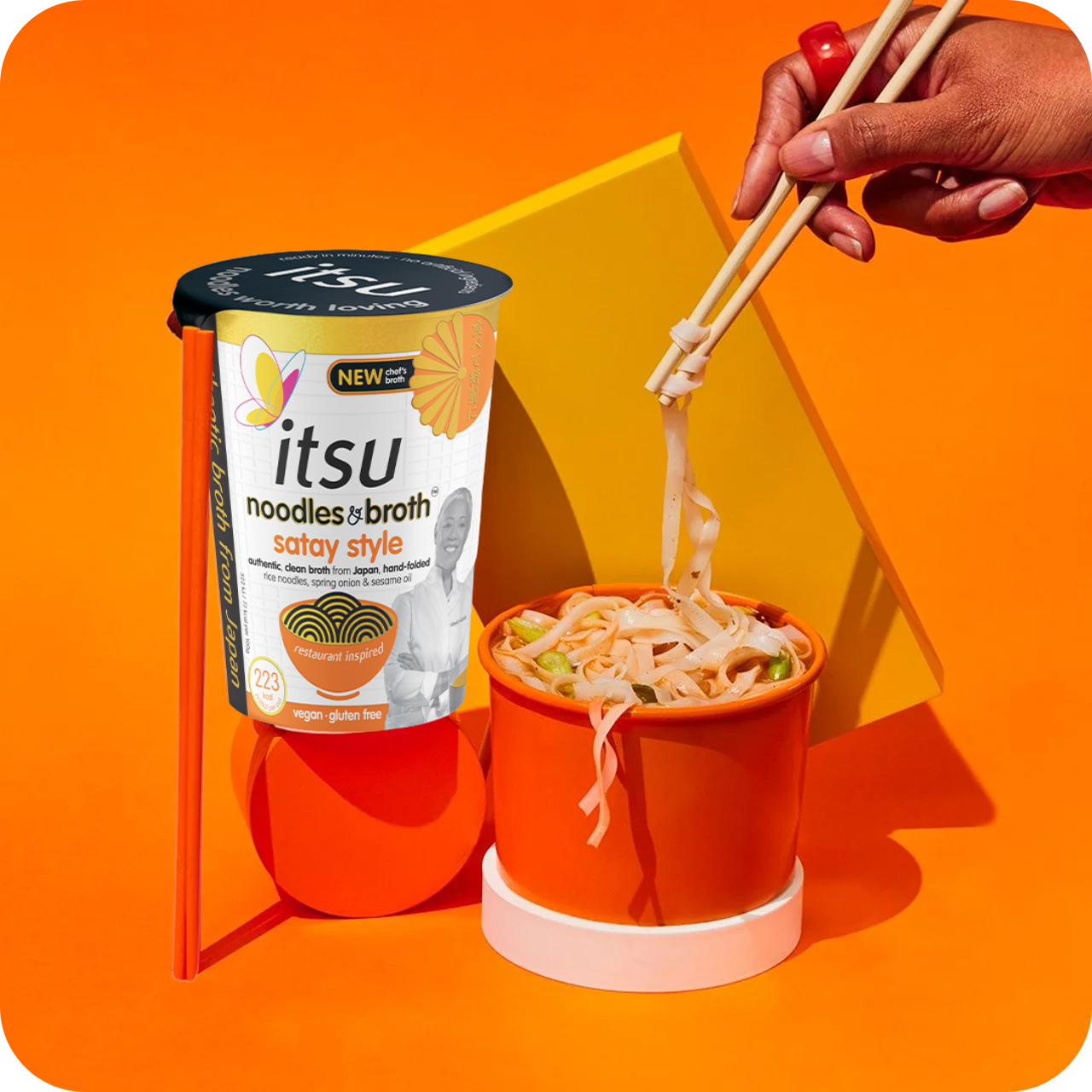
“For me, taste and palatability really shape the eating experience. Different mixes of spices create a very different flavour profiles across the pots, and the combination of tamarind paste, paprika, ginger and chilli powder in the Satay pot makes it my personal favourite - I find it warming and comforting.”

Why do we love miso?
“Miso is a fermented soybean paste traditionally used in Japanese cooking. Fermentation involves microorganisms such as bacteria, which contribute to its distinctive composition and its deep, rich, savoury umami flavour. Miso contains plant compounds such as isoflavones, which are a type of polyphenol and an area of ongoing nutrition research.
Although heating miso means live bacteria are no longer present, it can still contribute minerals, vitamins, and byproducts of fermentation known as postbiotics. These are compounds formed during the fermentation process that remain in the food even after it’s heated and form part of the overall nutritional profile. Miso can also provide small amounts of B-vitamins and vitamin K.”
Are noodle pots a nutritious option for busy people?
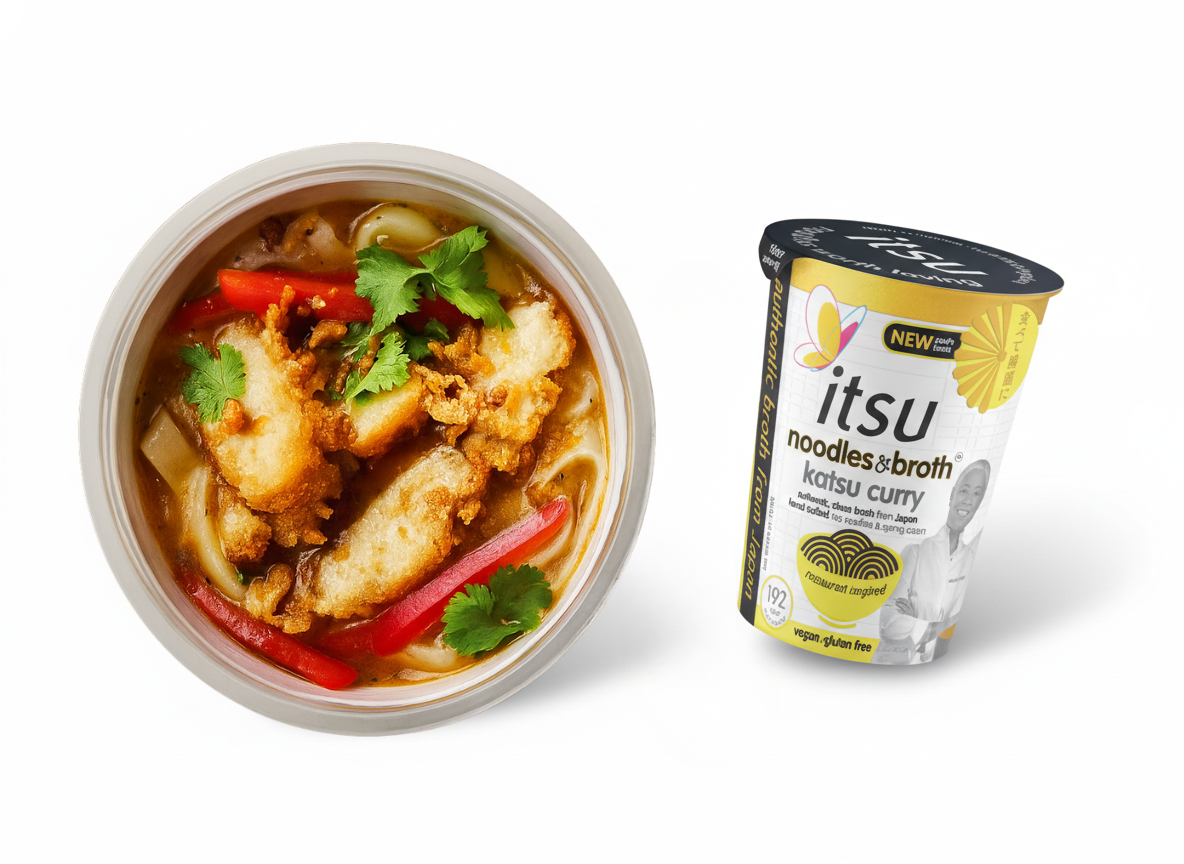
“The pots contain a source of carbohydrates from the rice noodles, along with a range of spices and herbs that contain natural plant compounds such as polyphenols. Miso also contributes small amounts of protein. I would usually add extra toppings to make it a more balanced meal, as fruit and vegetables are an important part of a balanced diet. Additional protein can be added, and some sources of unsaturated fats such as a sprinkle of seeds or seaweed on the side.”
When someone is choosing an instant noodle pot, what nutritional things should they pay attention to?
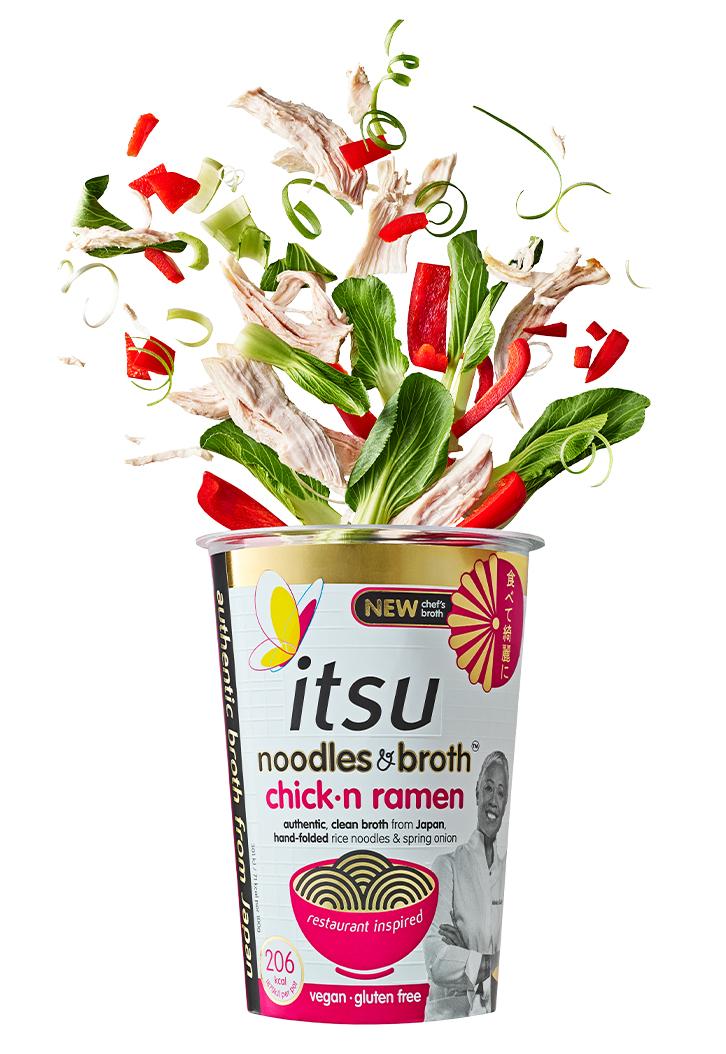
“When picking an instant noodle pot, checking the nutrition label can help you see how much salt, saturated fat, and sugar it contains. You can also check protein and fibre, because research suggests that meals higher in protein and fibre tend to be more filling and are associated with increased feelings of fullness. Looking at portion size and nutrient balance may help you decide if you want to add extra vegetables or protein or other ingredients to suit your preferences or needs.”
Dr Emma, what is your favourite way to ‘Top Your Pot’ and why?
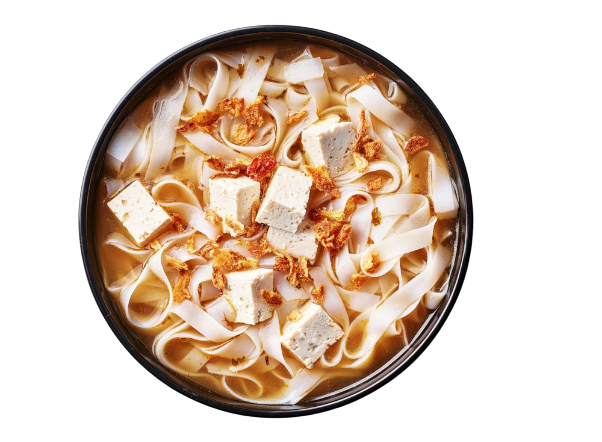
“I absolutely love to add tofu for extra protein. For me it's about making sure I have a meal that contains all food groups necessary for a balanced diet. Research shows that protein supports satiety - the feeling of fullness after a meal. Then I will add some steamed or boiled veggies (whatever is in the fridge or freezer), as the UK healthy eating guidelines encourage meals to include plenty of fruit and vegetables. Finally, a sprinkle of seeds for sources of unsaturated fats and fibre, plus some seaweed thins dipped in.”
Learn more about our itsu noodle pots here.